Unlocking Community Potential: What Development Trusts Offer Beyond School Community Hubs

When it comes to community spaces, school community hubs are a great start, but development trusts can take it to the next level. Here's what sets them apart:
School community hubs often have limited opening hours, tied to term times and school schedules. In contrast, development trusts can offer flexible access to community spaces, evenings, weekends, and holidays included.
School community hubs, while well-intentioned, typically provide no more and, often, less than the current community provision. Combined with high hire fees and limited availability, they don't represent a step forward for communities looking to expand what's on offer locally.
Development trusts can provide:
- Adult education classes or training programs
- Youth services like clubs, mentoring, or apprenticeships
- Health and wellbeing services (e.g., GP clinics, counselling)
- Social enterprises or community businesses
- Community-led initiatives and projects
School community hubs, on the other hand, tend to focus on supporting students and parents.
Development trusts are often driven by local needs and priorities, allowing them to respond quickly to emerging issues. They're also more likely to generate income through social enterprises, grants, and fundraising, making them more sustainable.
Collaboration and Partnerships
Development trusts can bring together local organisations, businesses, and community groups to drive positive change. School community hubs might not have the same level of flexibility or capacity to do so.
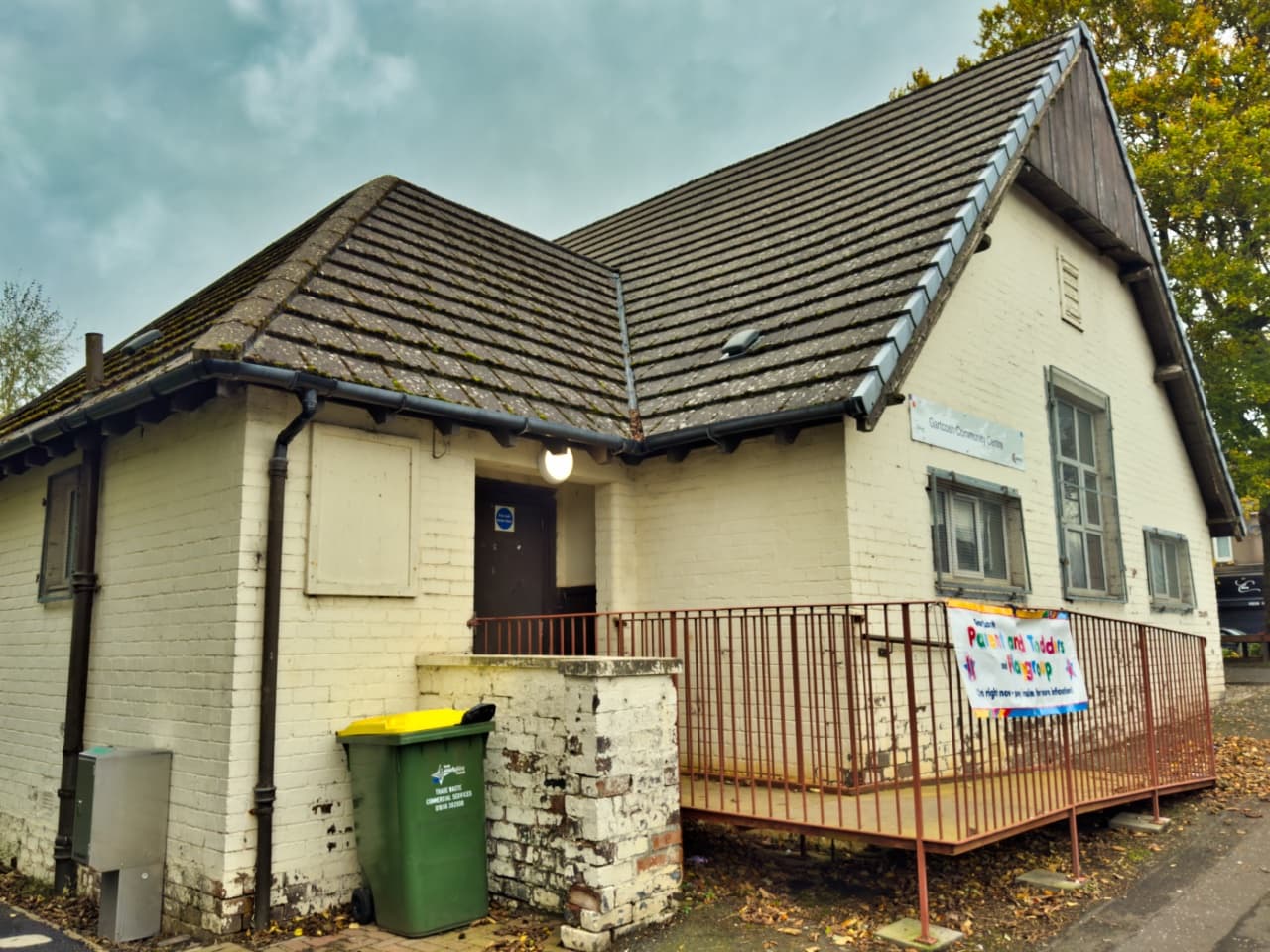
If you're looking for a community space that offers more than just school-run activities, consider getting involved with your local development trust! Donate now to support the old primary school and village hall community asset transfer project.
Related Articles

Newsletter #3 - December 2025
As 2025 draws to a close, we wanted to share some exciting news about what we have achieved this year - and what lies ahead for Gartcosh in 2026.
Read more
Fundraising for Community Asset Transfer feasibility study
Gartcosh Development Trust is seeking funding to carry out a feasibility study to support a strong Community Asset Transfer application for the Community Hall and Gartcosh Primary School.
Read more Community Asset Transfer - Gartcosh Primary School and Gartcosh Community Hall
Gartcosh Development Trust is applying under the Community Empowerment (Scotland) Act to take on the buildings through a Community Asset Transfer
Read moreNewsletter Issue #2 - February 2025
Read our February 2025 newsletter, including volunteering at the park and our new lottery
Read more